The Kings’ Biggest Mistake at the 2026 NBA Trade Deadline
The Sacramento Kings the trade term is defined by fluctuation. In a season that is already drowning in lossestheir biggest failure didn’t come on the field but in the front office. In a season where the Kings found 1,001 ways to lose, 2026 NBA trade deadline provided a golden opportunity to finally choose a direction. Instead, they stood still. They held on to the old core as the Western Conference raced forward. In doing so, they may have perpetuated the very mediocrity they needed to escape.
The nightmare spirals downward
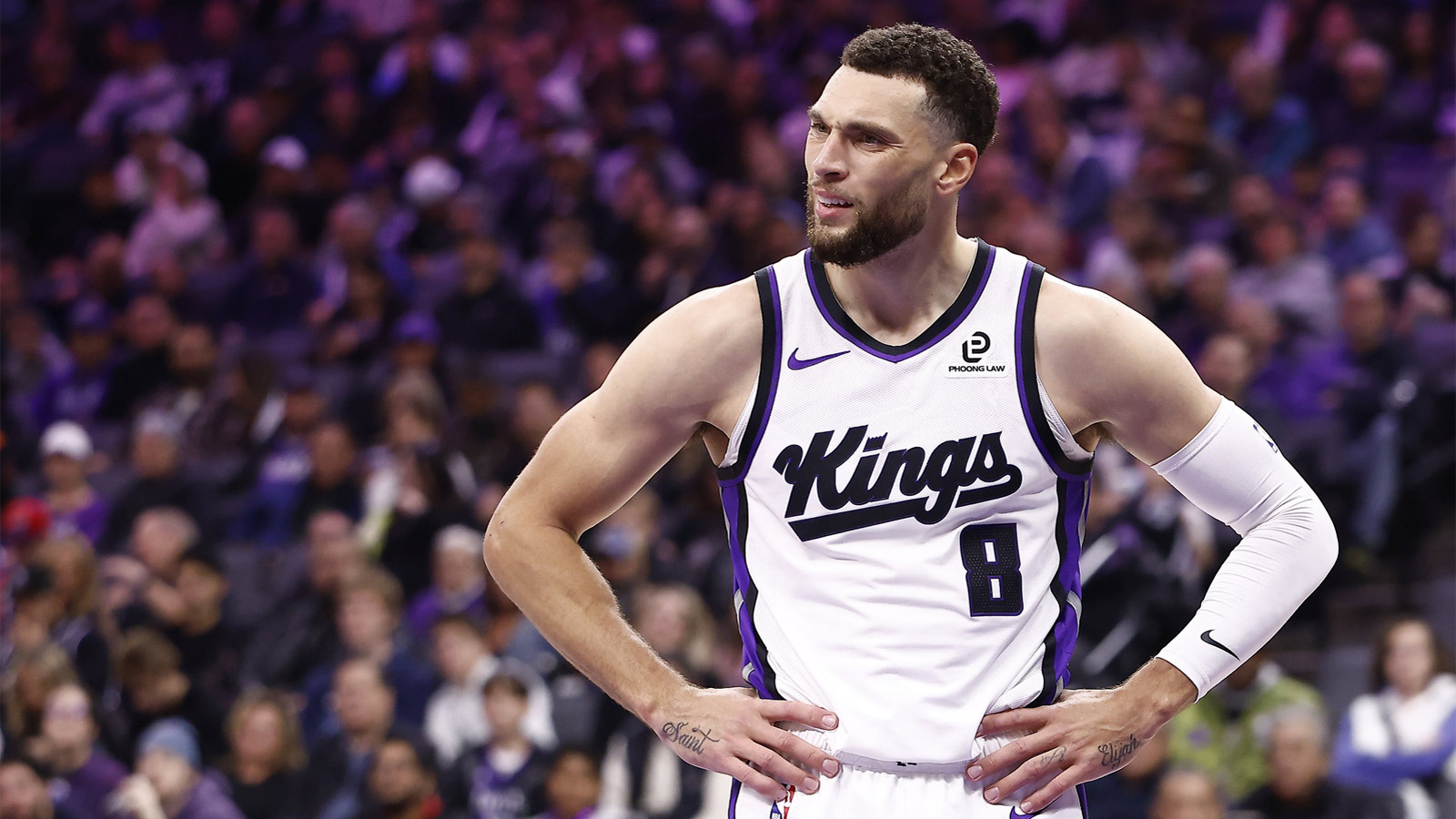
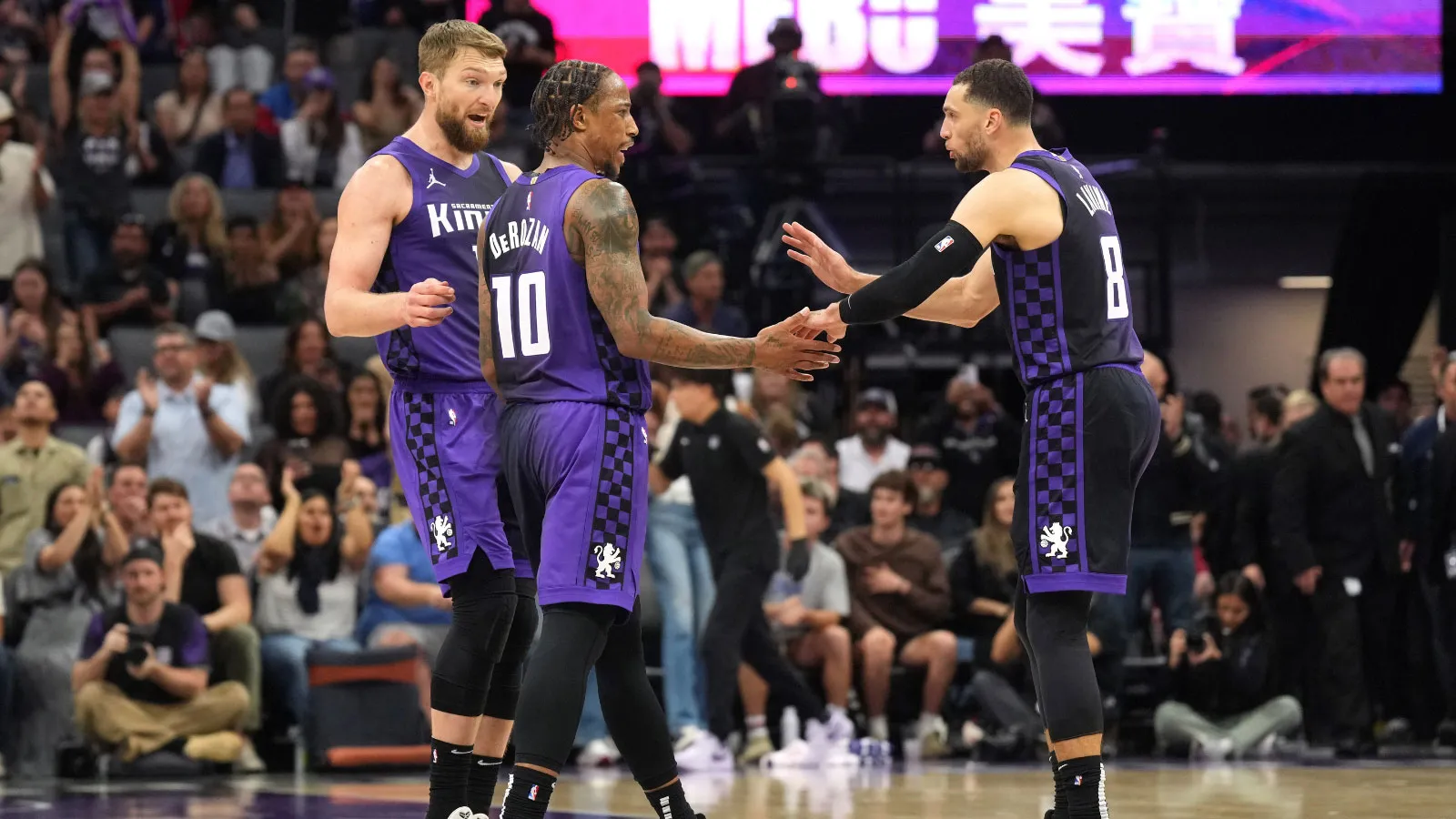
The Kings are currently languishing at the bottom of the West with a dismal 12-42 record. Despite a roster with top veterans like Zach LaVine (19.2 PPG) and DeMar DeRozan (18.9 PPG), the team struggled to find any defensive identity under head coach Doug Christie. They rank near the bottom of the league in both defensive rating and opponent points per game.
Sacramento’s defensive rotations were inconsistent and transition coverage was porous. What was supposed to be an offensively explosive roster has instead become a one-dimensional group. They just can’t generate stops when it matters most. A brutal 12-game losing streak that began in mid-February effectively snuffed out any postseason hopes. The franchise is in what many around the league are now describing as “basketball purgatory.”
Frustration peaked at the Feb. 5 trade deadline. The relative inactivity of the front office was seen by many as the biggest mistake of the season. Aside from a minor move to acquire De’Andre Hunter at the cost of Keon Ellis’ young capital, the Kings have failed to shed heavy contracts or commit to a full rebuild around their youth.
Consequently, promising young pieces like Nike Clifford and Devin Carter remain buried behind veterans. With Domantas Sabonis is currently sidelined with a back injury and Sacramento 28 games out of the conference lead, the rest of the campaign looks more like a grim countdown to lottery night than a competitive NBA season.
Analysis of paralysis
By keeping an expensive, aging core on a 12-win team, Sacramento closed its rebuilding window. The league’s consensus in the days after the deadline was defined by the growing impatience of fans who expected decisive action.
Sacramento’s only significant transaction it came through a three-team frame that included Cleveland and Chicago:
Outgoing: Keon Ellis, Dennis Schroder, Dario Saric, 2030 second round pick.
Incoming: De’Andre Hunter
On paper, Hunter adds positional size and scoring to the wing. in practice, the move raised eyebrows. Ellis emerged as one of the few defensive bright spots on a cost-controlled roster. He’s a true “3-and-D” contributor that fits the modern playoff archetypes. The move for Hunter, a player with a big contract and injury history, felt out of sync with the team’s supposed developmental needs. For this type of roster, lateral replacements for veterans have minimal long-term value. Fans weren’t looking for tweaks but transformation.
Maintenance of cornerstone contracts
The Kings entered the deadline with three major trade chips:
- Domantas Sabonis
- Zach LaVine
- DeMar DeRozan
None were moved.
Every situation carried an urgency.
Sabonis jam
Sabonis has drawn interest from teams looking for a high-profile offensive center. Among them are the reported talks with Toronto. However, negotiations have reportedly stalled over contract compensation, particularly a reluctance to absorb additional long-term salary structures. Instead of turning around creatively, Sacramento walked away empty-handed.
Avalanche contract trap
Lavin’s situation turned out to be even more complicated. Owed nearly $50 million next season, his contract has become a distraction rather than an asset. According to league reports, the teams demanded first-round compensation just to absorb the deal. Faced with attaching picks to move him or a standing ovation, the Kings chose the latter.
As such, the Kings have a permanent salary cap logjam with no competitive advantages. They remain financially inflexible while setting the roster at rock bottom. That’s the worst combination.
Rotational stagnation that stifles development
Perhaps the most damaging downstream effect of inactivity is developmental stagnation. By keeping veterans on an uncompetitive roster, Sacramento has created a minutes bottleneck that limits the value of its younger talent. Devin Carter needs an extended run. Dylan Cardwell, who recently signed a four-year standard deal, is demanding development reps.
Instead, Christie is forced to juggle rotations with former All-Stars on a last-place team. These players have timelines that no longer align with the reality of the franchise. This creates what executives often refer to as a “veteran environment that gets lost.” Both development and competitiveness suffer in this setting. Young players don’t get a runway. Veterans don’t get meaningful games. The franchise is changing.
Basketball purgatory
Renewal teams typically embrace clarity:
Sell veterans. Get the picks. Develop youth.
Rival teams are chasing upgrades.
Sacramento did neither.
They neither fell on purpose, nor did they compete in sustainability. The Kings exist in the most dangerous middle of the NBA. This team is expensive, aging and losing. That’s the true price of the 2026 term.
It wasn’t the Hunter trade, nor Ellis’ departure. It was the absence of structural direction.
Long-term implications
The ripple effects will extend beyond this season. By failing to move veterans now, Sacramento risks declining trade value in the offseason, especially if there are injuries or regression in performance.
They also delay the flexibility of the cap. That would otherwise position them to absorb draft picks or participate in blockbuster multi-team frames. Most importantly, they delay identity formation.
Are they building around youth or chasing the last veteran attack? Right now, nobody knows.
Direction postponed, reconstruction rejected
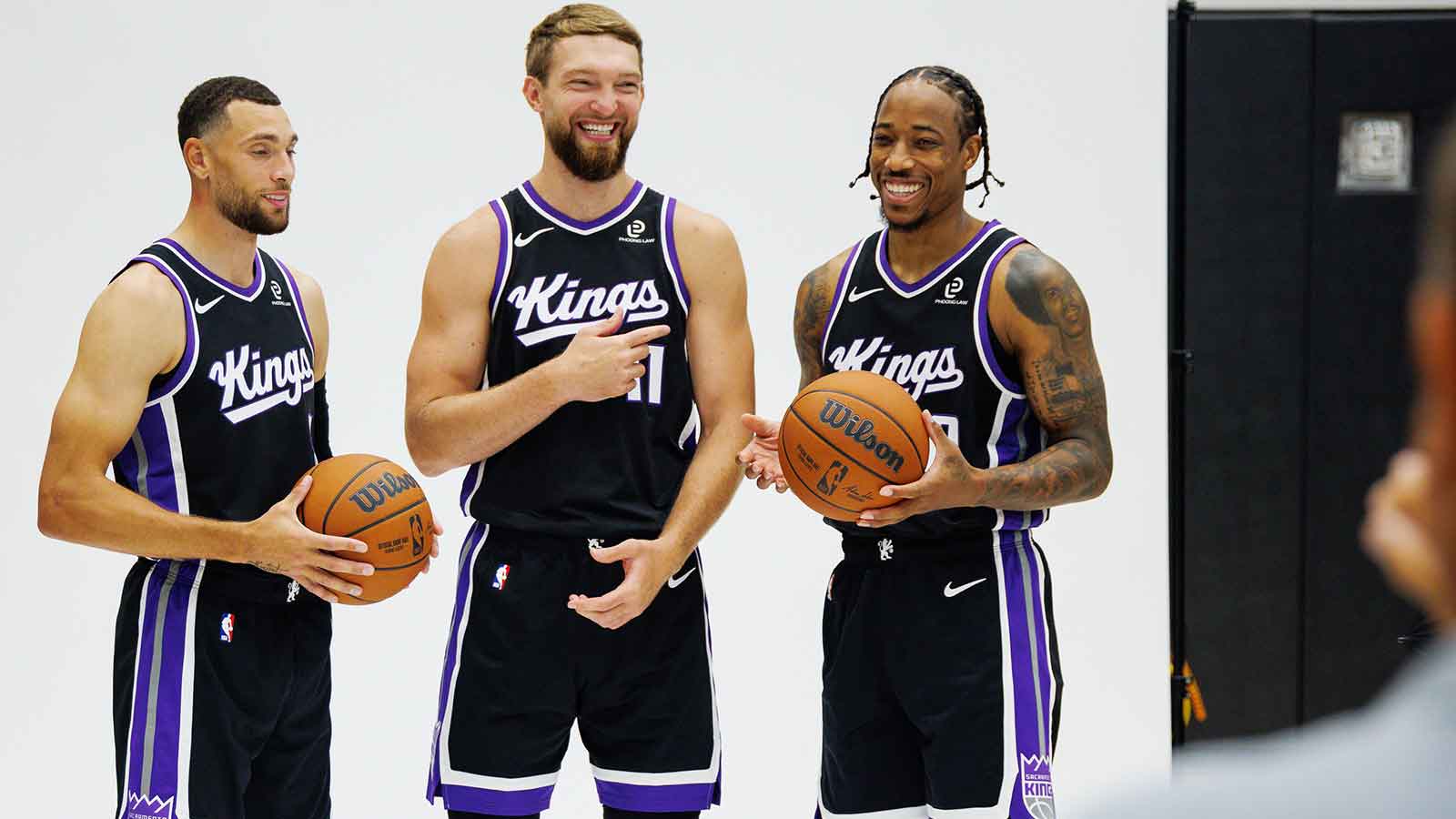
The Kings’ biggest mistake at the trade deadline was indecisiveness. In a losing season, clarity is currency. Sacramento had an opportunity to reset the timelines, redistribute salary and empower its next generation.
Instead, it saved a list created for a competing window that no longer exists. In doing so, the franchise ensured that its nightmare season did not end at the deadline. It would simply continue.
2026-02-08 14:52:00