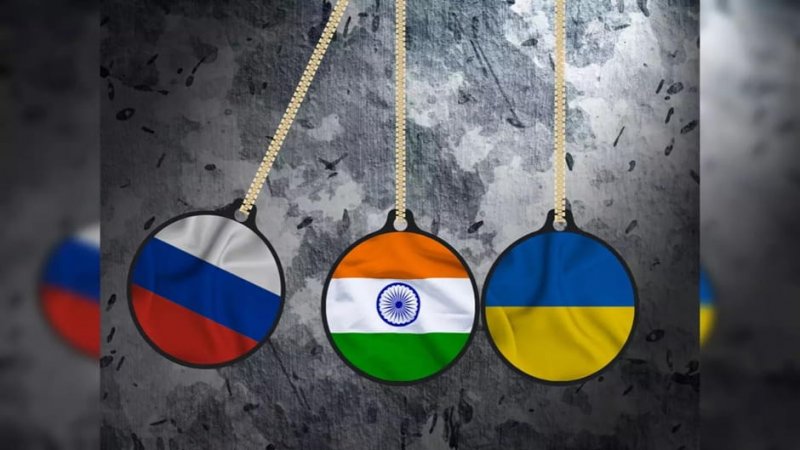
The Indian factor that could break Russia’s Ukrainian war strategy
US President Donald Trump’s statement that India has reportedly agreed to stop buying Russian oil should not be seen as an isolated media episode. If translated into real policy, it could signal a far more profound change in the architecture of economic pressure surrounding Russia. The consequences would extend far beyond the energy market and directly affect Moscow’s ability to pursue its political and military goals in the war against Ukraine.
From 2022, India has become the cornerstone of Russia’s sanctions adaptation strategy. After losing most of the European market, Russian oil found a huge alternative outlet in India, where refiners have started buying bulk at discounted prices. These streams formed the backbone War economic model of Russiain which volume and continuity are increasingly important than price.
The extent of this dependence is significant.
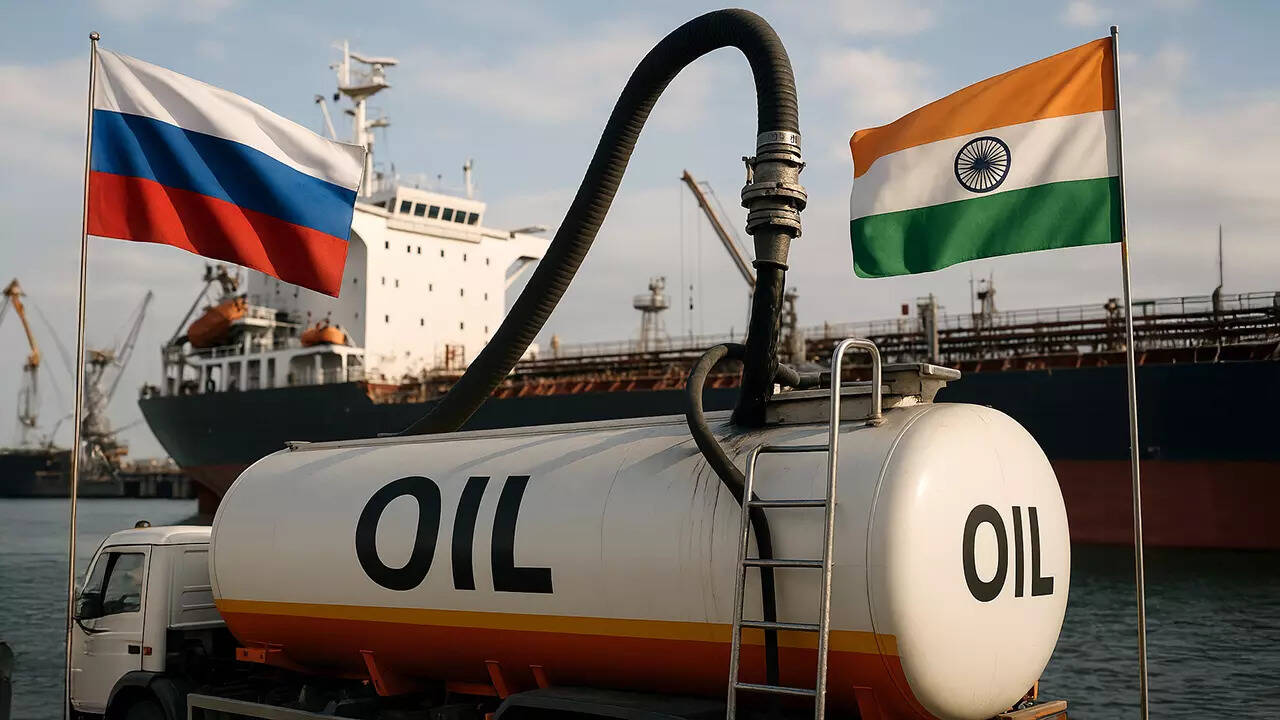
In 2023, India imported up to 2.1–2.2 million barrels per day Russian oil at the top level, which makes Russia its biggest supplier.
Source: Reuters
2024 in total Russian oil shipments to India reached approximately 87–88 million tonnes, which accounted for about 36–37 percent of India’s total oil imports.
In 2025, despite market fluctuations, Russian supplies to India remained high, averaging around 1.7–1.9 million barrels per day for several months, with Russia still covering more than 30 percent of India’s crude oil imports.
These quantities are not marginal. They are structural.
Russia’s wartime economic logic is simple but rigid: as long as export revenues remain sufficiently high and predictable, the state can finance a prolonged conflict. Once the revenue base begins to shrink, war goes from a manageable process to a growing financial burden.
From this perspective, the loss of the Indian oil market would be a systemic shock.

Source: Reuters
First, it would mean an immediate reduction in foreign currency inflows to the Russian budget. Even if some volumes were diverted to other Asian buyers, this would almost certainly require even greater discounts. Russia would be further pushed into the role of a price taker, competing primarily through price cuts, leading to a structural erosion of its oil rents.
Second, the “double tap” effect would be amplified. Revenues would fall while costs would rise. Long transport routes, shadow fleet operations, insurance workarounds, sanctions evasion logistics and financial intermediaries increase transaction costs. A model based on shrinking margins and rising costs is becoming progressively fragile.
However, the most important dimension is not purely economic – it is military.
Losing the Indian oil market would hurt Russia not only financially, but would also directly undermine its ability to achieve the desired political and military results in Ukraine.
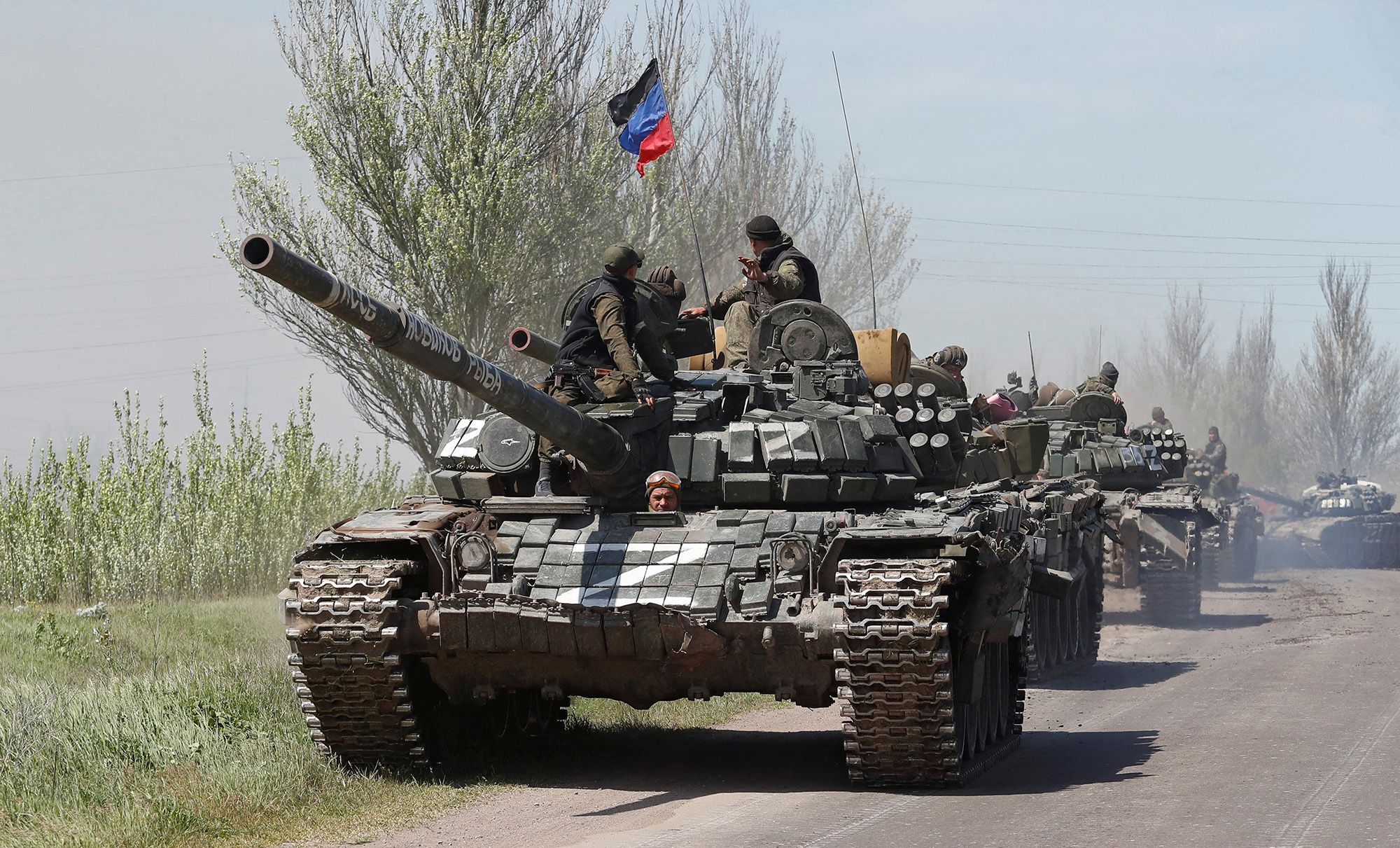
Russia’s war effort rests on a simple formula: the higher and more stable its export revenues, the longer the country can sustain combat operations, acquire weapons, expand production, pay soldiers and finance domestic compensation programs. Oil revenues are at the heart of this system.
Source: CNN
If the largest buyer of Russian crude oil sharply reduces or stops purchases, foreign currency inflows to the budget will tighten. At a time when Russian military spending has already reached record levels, any drop in revenue forces painful choices:
– reduce civil and social spending,
– increase in borrowing and monetary emission, or
– slow military production and procurement.
All three options weaken Russia’s strategic position.
The reduction in social spending increases domestic pressure and gradually erodes the implicit social contract that underpins political stability. Expanded borrowing and money printing accelerate inflation and undermine macroeconomic stability. Slower military production directly affects the reality on the battlefield by limiting Russia’s ability to replace lost equipment, ammunition and manpower.
Here the connection between the purchase of oil from India and Moscow’s war strategy becomes explicit.
Russia has largely built its approach around a war of attrition model, betting that it can outlast Ukraine and the willingness of Western societies to sustain financial and military support for Kiev. That strategy assumes relative economic resilience.
The loss of the largest alternative oil market undermines that premise.
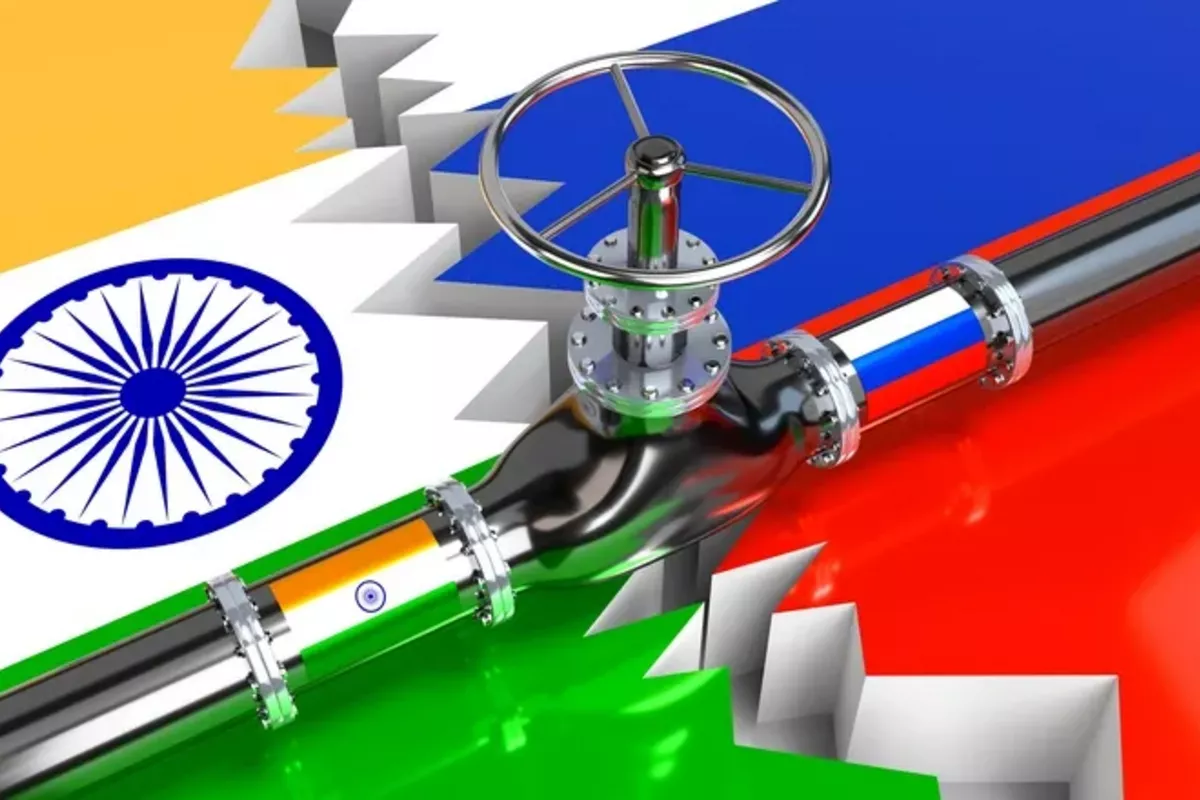
There is also a strong geopolitical and psychological effect. The Kremlin has presented India as proof that the major powers of the Global South are unwilling to adapt to Western pressure and prefer to pursue an autonomous policy. If New Delhi begins to distance itself from Russian oil, it would send a signal to other countries that cooperation with Moscow carries increasing political and sanctions risks.
Source: caspianpost
This could trigger a gradual, informal withdrawal of additional buyers — even without formal participation in Western sanctions regimes.
In such a scenario, Russia’s room for maneuver would shrink faster than before: fewer markets, lower incomes, deeper dependence on a limited circle of partners, and weaker negotiating leverage.
For this reason, India’s potential refusal to buy Russian oil should not be viewed as just the loss of one customer. It would represent a blow to the financial basis of the Russian war effort.
And without a stable financial base, the capacity to sustain a long, expensive military campaign and impose favorable outcomes inevitably declines.
Author: Tural Heibatov
2026-02-03 10:02:00