The Pistons’ biggest mistake at the 2026 NBA trade deadline
It is almost unfair to criticize Detroit Pistons. After years of wandering through the wilderness of the NBA, the franchise has sparked the league’s most incredible rise. They transformed themselves from post-rebuild to conference power in less than two seasons. However, championship frames are defined not only by what teams do, but also by what they refuse to do. In 2026 NBA trade deadlineDetroit’s biggest mistake perhaps it was rooted in restraint. When you sit in the east, the slightest hesitation can resonate loudest in June.
A meteoric rise
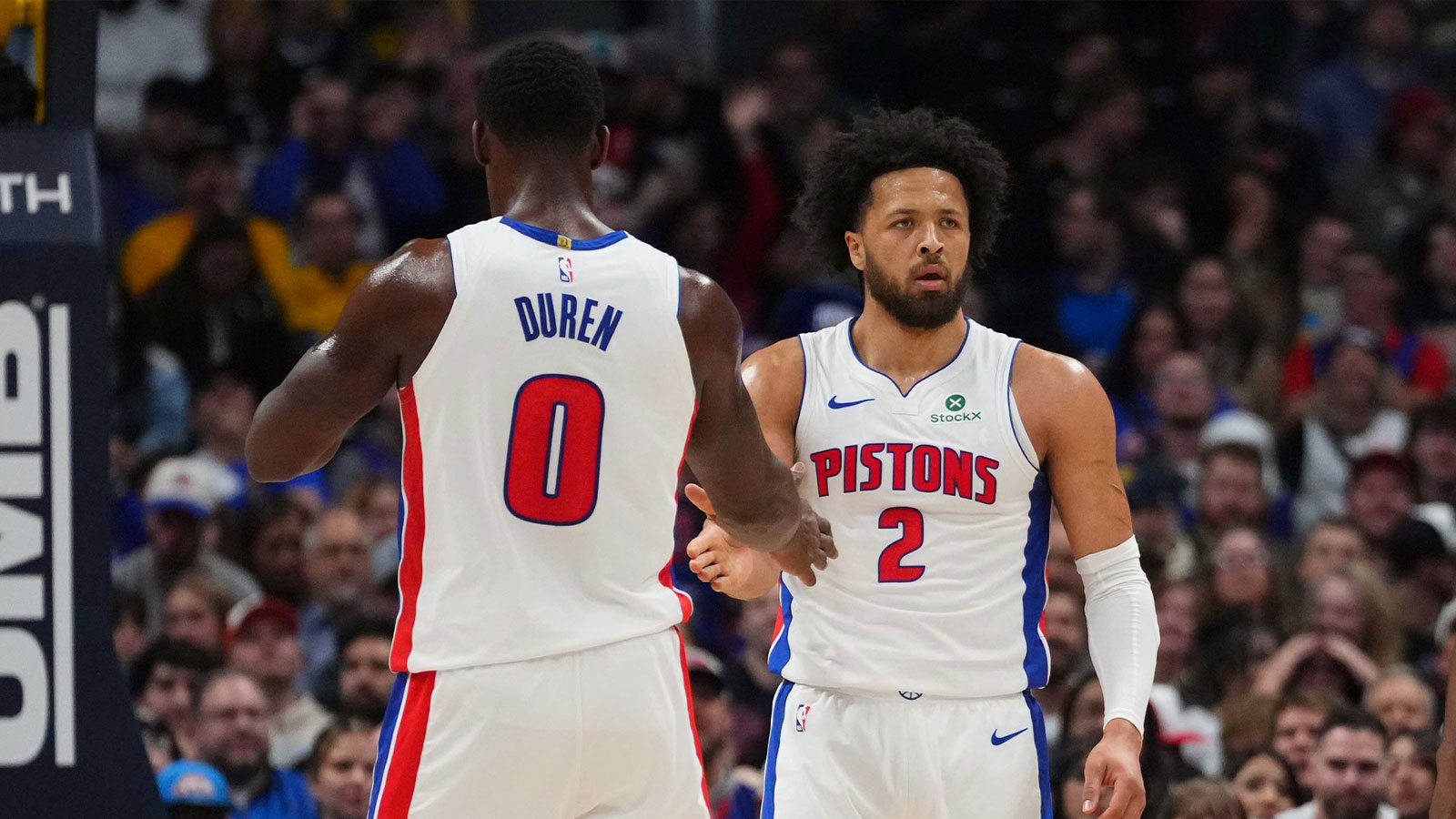
The Pistons’ 2025-26 season unfolded as a basketball renaissance in the Motor City. Detroit currently holds a 38-13 record. That’s good for first in the Eastern Conference and second overall in the NBA standings. What once seemed like a patient recovery accelerated into an all-out struggle.
Detroit’s identity is rooted in balance and defensive ferocity. They rank among the league leaders in defensive rating, thriving in physical perimeter containment and elite rim protection. Opponents rarely find clean looks. When they do, Detroit’s length disrupts the rhythm. The Pistons turned Little Caesars Arena into one of the most hostile environments in the NBA. They pair dominance at home with resilience on the road that few contenders can match.
At the center of it all is Cade Cunningham. He blossomed into an All-NBA caliber engine. Averaging 25.1 points and 9.7 assists per game, Cunningham manages Detroit’s offense with surgical patience. His command of pace, along with improved scoring at three levels, has elevated the Pistons from uneven to sophisticated.
Detroit’s new identity
Aside from Cunningham, Detroit’s rise has been fueled by a layered roster construction. Tobias Harris provided veteran scoring stability. Caris LeVert, meanwhile, has embraced a fluid secondary creation role capable of swinging games in spurts. Jalen Duren anchors the paint with rebounding dominance and vertical spacing. Auzar Thompson’s defensive versatility gives Bickerstaff flexibility to line up against elite wings.
Even with injuries and rotation changes, Detroit has maintained continuity. Their depth has allowed them to weather absences without structural collapse.
Yet beneath the success lies a subtle tension. Of course, Detroit wins with the scoring committee. However, they lack a definitive No. 2 offensive superstar. In the playoffs, where half-court shooting becomes oxygen, that gap could widen. It is this fundamental vulnerability that made the trade deadline so consequential.
The burden of being elite
It’s hard to call any move a mistake when the team owns the best record in the East. Still, the trade deadline is less about fixing flaws and more about bulletproof championship paths. Detroit entered February not only as a playoff contender, but as a Finals threat. Rivals responded accordingly. The Cleveland Cavaliers swung for James Harden. The Boston Celtics added Nikola Vucevic. Other contenders have bolstered their scoring depth and playoff experience.
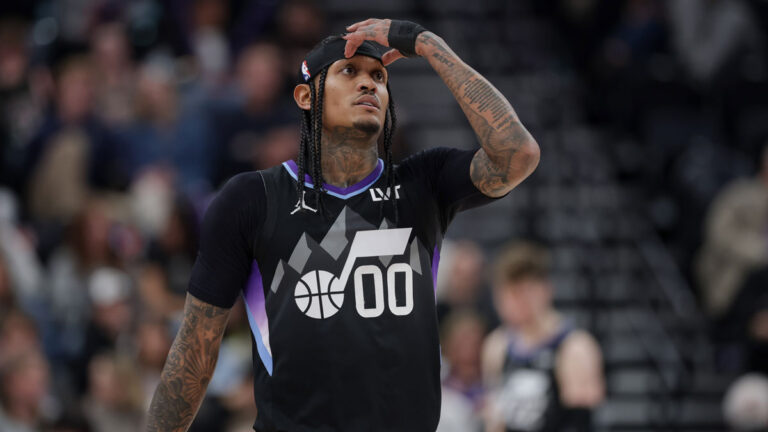
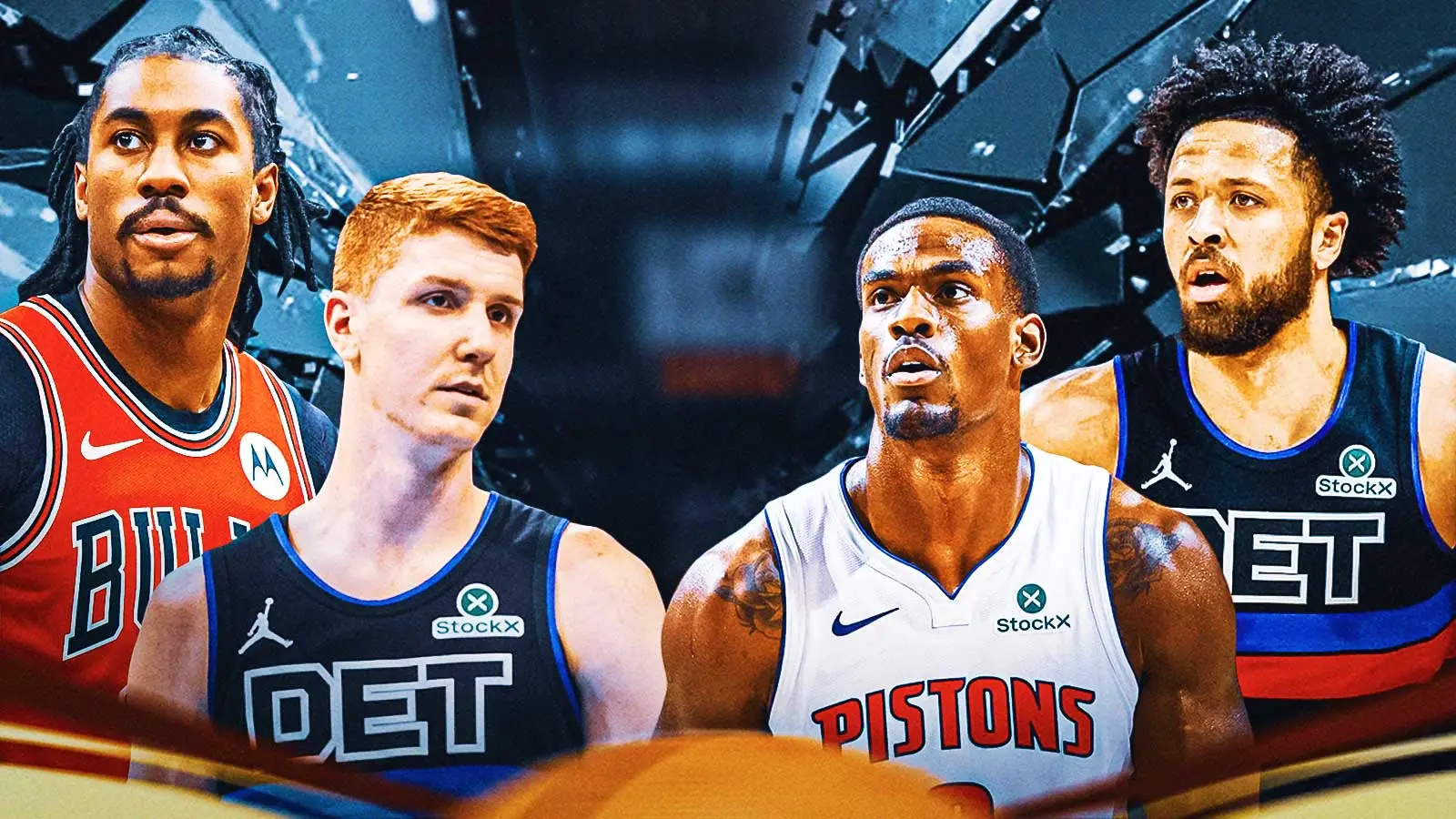
The Pistons, meanwhile, chose moderation. Main transaction sent from Detroit Poor Ivey Chicago Bulls in exchange for Kevin HuerterDario Saric, and a protected 2026 pick swap with Minnesota.
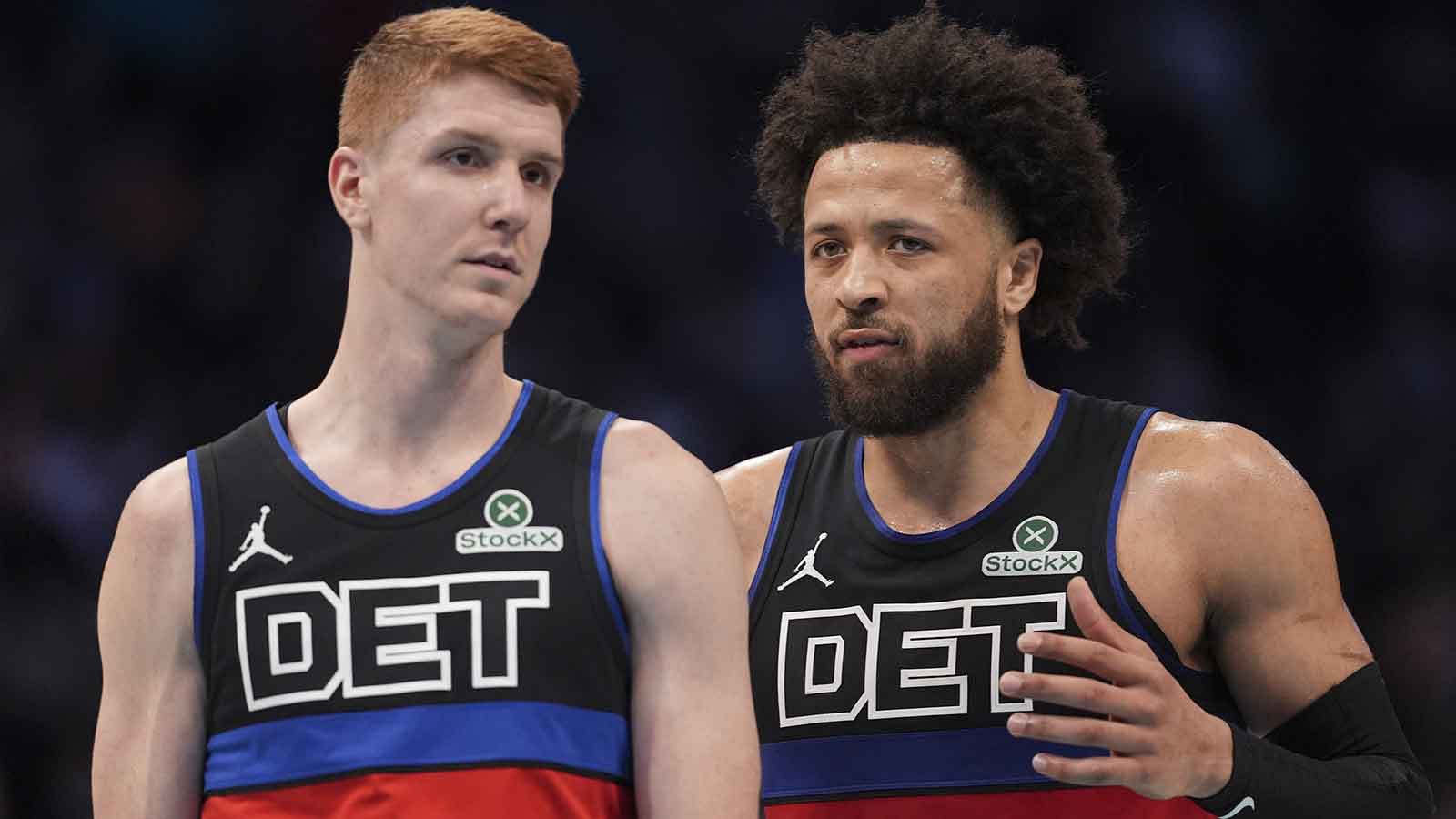
On paper, the logic followed. Detroit ranked 27th in three-point attempts. That created a gap bottleneck around Cunningham’s hard-driving creation. Huerter is a shifty scorer with playoff experience. He should theoretically unclog the offensive geometry. However, theory and execution quickly diverged.
Huerter arrived in the midst of a difficult year. He’s shooting just 31.4 percent from beyond the arc. Saric, meanwhile, never entered Detroit’s plans. A day later it was dropped to free up space Daniss Jenkins contract conversion.
What remains is a shooter who struggles for rhythm and the absence of the former perspective.
The Jaden Ivey Paradox
Few players have embodied Detroit’s renewed optimism like Ivy. Electric in transition and fearless downhill, he was once projected as Cunningham’s longtime counterpart in the backfield. However, after a leg injury last season, Ivey has struggled to regain rotation in Bickerstaff’s defensive ecosystem. His minutes dropped to 16.8 per game. Its development runway has narrowed down to a candidate that prioritizes reliability over experimentation.
However, property valuation is important. Trading a former top-five pick for a troubled scorer and a veteran waiver wire feels like selling low. Even if Ivey no longer fits Detroit’s timeline, his side should have sparked a more impactful comeback. Instead, Detroit turned the potential into a modest gap.
If the deal with Ivy was a tactical move, the broader strategic question became bigger: why stop there? Cunningham plays at a superstar level, but championship teams rarely rely on one offensive point. Harris and LeVert put up points, but neither fix playoff defenses the way elite counterparts do.
Detroit possessed the means to hunt larger prey. A trade exception of $14.3 million remained unused. Future first-round elections, controlled deep into the next decade, offered bargaining leverage. Still, the Pistons refused to engage in the superstar market.
Playing it too safe
This is the paradox of the emergence of the elite. Detroit grew so fast that its main office turned from asset accumulation to asset preservation almost overnight. They could, and perhaps should have, had weapons in excess of spades to win the title. Instead, the Pistons decided to protect long-term flexibility. It’s a defensible philosophy, of course. However, this also risks under-capitalization in the live championship window.
History shows that top seed rarely regrets aggression. They regret the hesitation. The Pistons absolutely remain legitimate contenders. Cunningham is a playoff-ready engine. Their defense is traveling and the depth is real. Still, postseason runs often depend on forced offensive shots. When the defense traps Cunningham, who consistently creates an advantage on offense?
By opting for incremental shooting help instead of fighting for a true offensive lineman, Detroit may have left its ceiling just a little bit lower. In a conference where the margins between the finalists are thin, that ‘little’ matters.
Conflict calls for courage
The Pistons didn’t sabotage their season at the 2026 trade deadline. Far from it. Of course, they remain the standard-bearers of the East. Remember, however, that greatness requires escalation.
The Pistons traded Jaden Ivey for a marginal return and refused to look for a definitive second star. That said, Detroit chose caution at a time when boldness could have transformed them from contender to favorite. If June ends without a parade, the autopsy could go back to a move they never made when the East was theirs for the taking.
2026-02-10 04:39:00