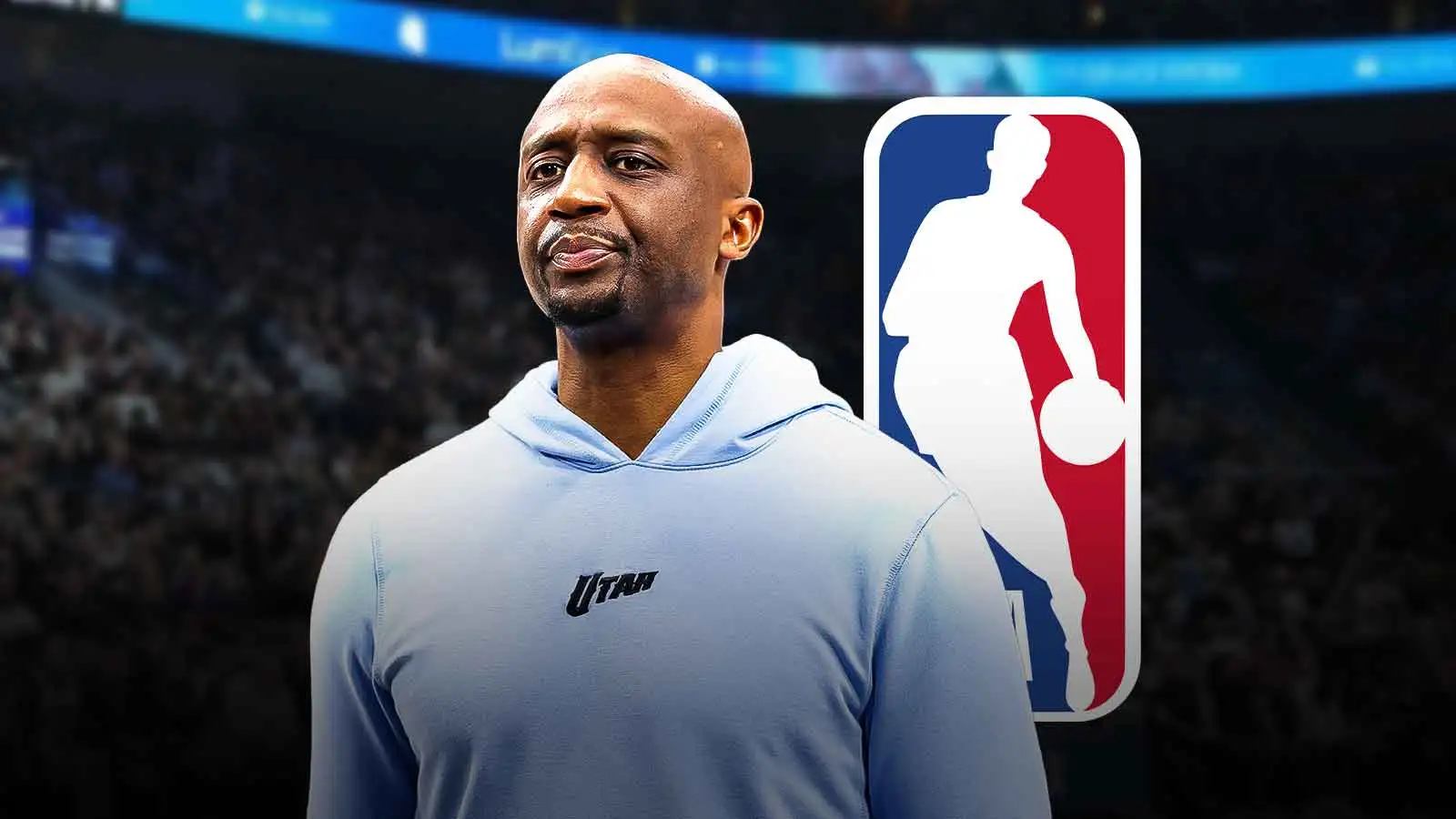
Why Jason Terry continues to give back after NBA retirement
If you ask Utah Jazz assistant coach Jason Terrybeing a part of the NBA All-Star Weekend is a great way to keep his name in the general public.
“For me, as a guy who retired seven years ago, it keeps you relevant because people recognize you,” laughed Terry during an exclusive interview with ClutchPoints. “They know you and it makes you feel good to know that people still enjoy and appreciate the contribution you had while you were in the league.”
But it’s more than that for Terry. For one, he can continue to be in the game he loves. And secondly, it is a chance for him to give back to the new generation. While All-Star weekend is a time to celebrate the current generation of NBA players, there is always a solid mix of older vets and retired players participating in the various events.
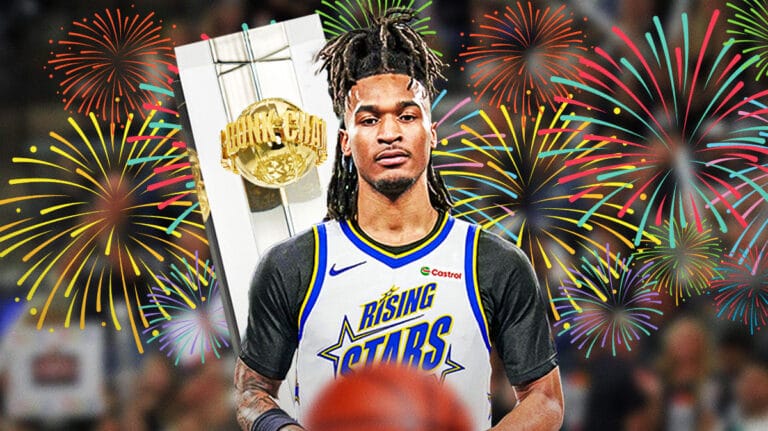
Just look at the Rising Stars competition with Carmelo Anthony, Vince Carter, Tracy McGrady and Austin Rivers as coaches. The weekend allows Terry to check in with the game’s growing talent.
“It gives you a chance to interact with fans you haven’t seen all year and then also honor some of the guys who have had great performances at this point in the season,” Terry said. “Another part of All-Star weekend that I like is the Rising Stars event where you get to see some of our up-and-coming talent trying to make a name for themselves.”
And for Terry, there are plenty of young and top talents in the NBA right now to watch out for. He’s been a member of the Jazz since 2022, so he’s gotten an up-close-and-personal look at one of the league’s best rising guards in Keyont George. Now in his third year in the NBA, George is in the thick of his season.
“I like to talk about our, first of all, Keyonte George. He’s had a phenomenal year. He’s probably going to be a leading candidate for Most Improved Player with the way he’s been able to score and assist there, and the efficiency he’s been playing with,” Terry said. “The talent casts a wide net, I’d be doing myself a disservice if I had to single out one or two guys.”
“When you talk about older stars, guys that have done it for a long time and are legends in our game, you talk about KD, Steph Curry, LeBron, those guys have done it for a long time,” Terry continued. “But then you still have guys like Jokic and Giannis, guys who are still performing at a high level. They’re not past their prime yet. You’ve got young guys on the rise. I think our game is in a great place and it’s going to continue to develop.”
How Jason Terry has seen the NBA game change
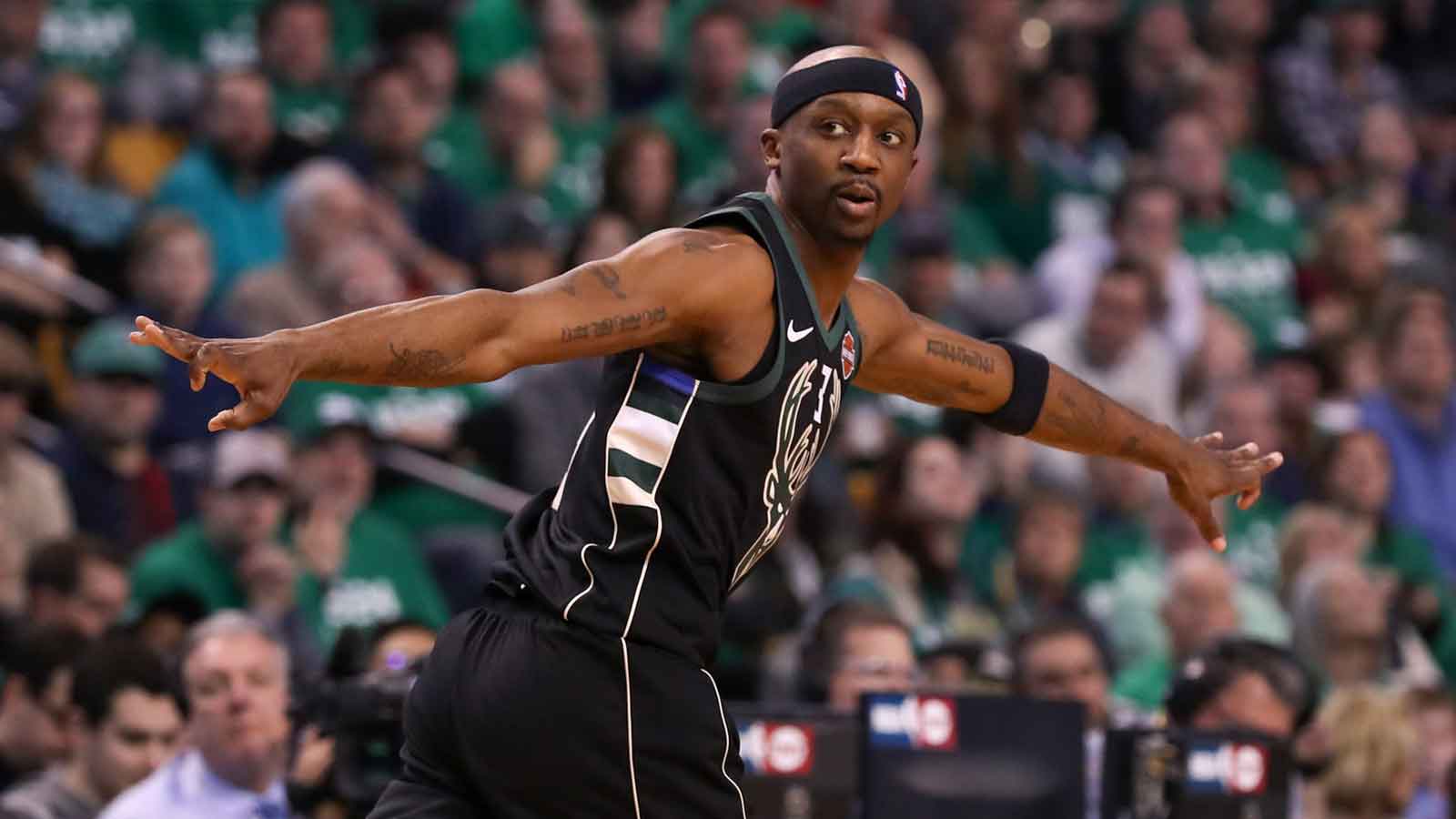
Terry was the 10th overall pick in the 1999 NBA draft. He entered the NBA after making a name for himself as one of the best college guards in the country while at Arizona. As a sophomore, he was instrumental during the Wildcats’ 1997 national championship run.
Affectionately nicknamed ‘The Jet’, Terry was drafted by the Atlanta Hawks and also played for the Dallas Mavericks, Boston Celtics, Brooklyn Nets, Houston Rockets and Milwaukee Bucks. His last stop was with the Bucks during the 2017-18 season, capping off a strong 19-year NBA career. Terry also played a key role off the bench during the Mavericks’ 2011 title run.
While there have been countless debates regarding the evolution of the NBA game and today’s high-octane offense, Terry believes that not much has changed radically between when he played and now. While there are some slight differences, as someone who played back in the day, so to speak, and is still around the NBA through a coaching lens, the styles are similar.
“You have guys that show more individual talent, but you still see fast, super athletes. Super athletes play like dunks, blocks. People like to say the score is higher now, but if you look over the years, it’s right there. There’s not that much of a difference,” Terry said. “The pace of the game, the volume of shots being attempted are a little bit higher. But for the most part, it’s just as fun, just as competitive, and I think he’s in a great place right now.”
In addition to the style of play on the field, the way technology and fan interaction has evolved is another big difference Terry has seen. Take for example his main source of participation on All-Star weekend. Terry is partnering with AT&T on the Dunk Bus at the famous Venice Beach basketball courts.
One of the main attractions of the pop-up is for fans to participate in a live NBA 2K gaming competition alongside Terry, former NBA star Baron Davis, Toronto Raptors point guard Chris Paul and various streaming personalities.
“I’m an avid gamer at heart. If I’m not breaking down film and getting ready for the next opponent, I’m on 2K online playing against anyone, just random nobody who just likes to play the game… when I’m playing 2K, I’m just playing with myself,” Terry said. “As real as the game is and the interactions you have in the game where you’re actually able to create your own player, put yourself out there. Even if you didn’t have hoop skills growing up or right now, you have hoop skills now. If you’re a short guy, you can be tall… It doesn’t matter, they’re able to create that experience.”
Jason Terry’s new coaching venture with the Jazz
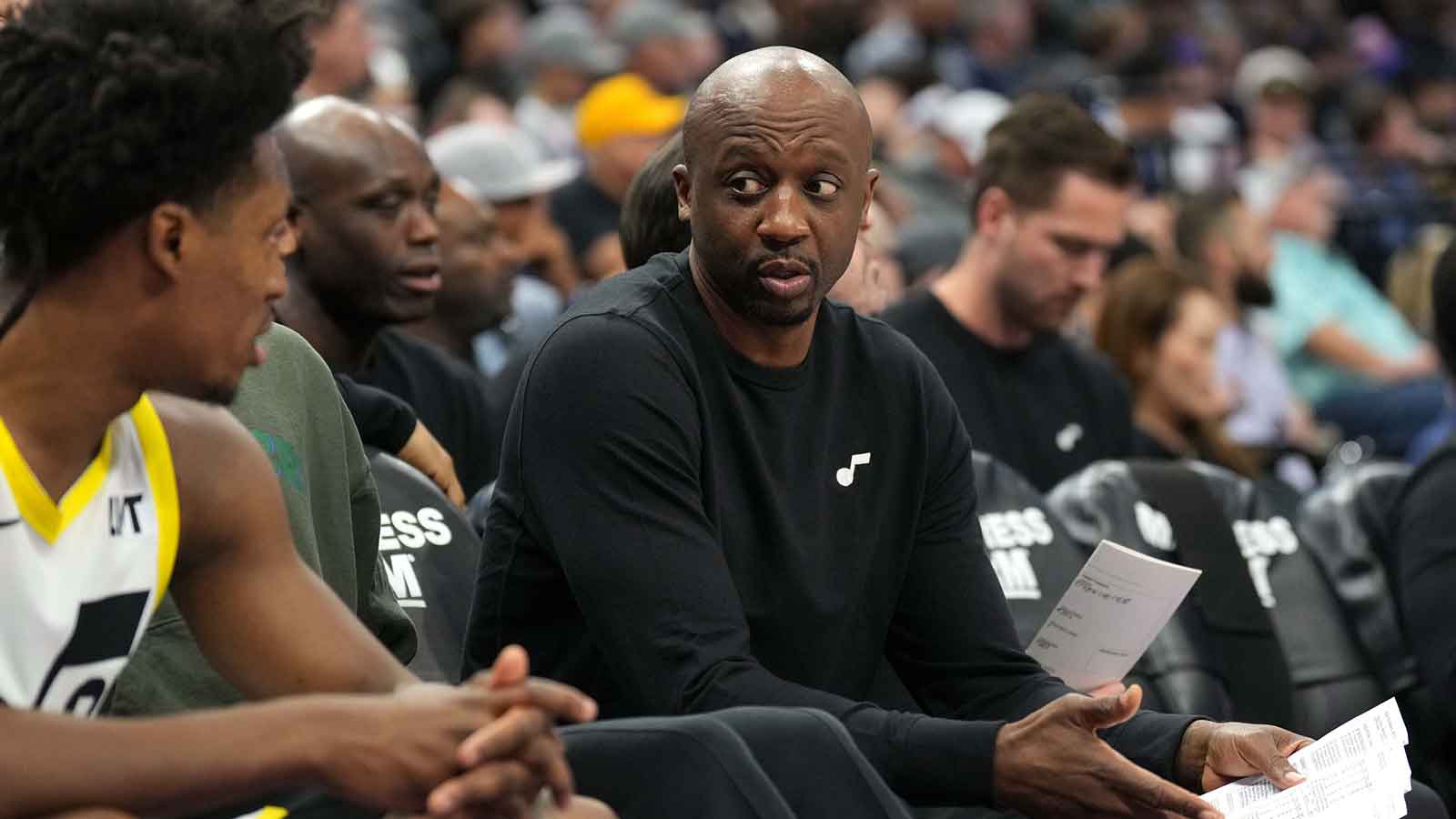
After Terry retired from the NBA, his first post-playing coaching job was in 2020. assistant coach at his alma mater Arizona under former head coach Sean Miller. After one season, Terry left to become the new head coach for the Grand Rapids Gold of the G League during their first season as an affiliate of the Denver Nuggets.
It was toward the end of his career during the last few seasons with the Rockets and Bucks that Terry began to see a future in coaching as a real possibility.
“I’ve always been a coach at heart. That was probably my fourth until last season when I was in Houston and starting to be the elder statesman of the team. I would start going to coaches’ meetings and being part of the game planning and then doing player development on the sidelines,” Terry said. “I was that veteran that people looked up to … I think that’s what really fueled me for what I wanted to do when I retired.”
During the final two seasons of Terry’s career, he was a veteran leader and mentor for a Bucks team that included younger versions of Giannis Antetokounmpo, Khris Middleton and Jabari Parker. Immediately following his retirement, he rejoined the Mavericks organization as the Assistant General Manager of their G League affiliate, the Texas Legends.
But Terry quickly realized that an office position wasn’t for him just yet. It didn’t allow him to be as close to the game as he wanted. He knew he was a coach at heart, as he described. He takes pride in working with young jazz players and continues to improve as a coach.
“Being on hand, being able to mentor and give back and improve the game in a coaching role is what really lit my fire,” Terry said. “And I think that’s why I’ve been able to do a decent job here in Utah as we rebuild with some of our young guys. The sky’s the limit for me moving forward, but I’m continuing to grow as a coach.”
That’s not to say that there aren’t challenges that come with coaching. Growing pains are evident on a rebuilding team, and sometimes Terry finds those playmaking instincts kick in when a play breaks down or shots are missed. But for him, it’s all just part of the process.
“There are times when they have some struggles out there, and even when they have success on the floor, there are times when I’ll be like, ‘man, I’ve sat in that spot. I know what they’re going through.’ And then you try to help as much as you can,” Terry said. “But the only thing about being a coach now and not a player is you can’t shoot for them. You can’t pass for them. And you certainly can’t defend for them. So the best you can do is share your experiences, give your knowledge, and then encourage and inspire.”
2026-02-13 04:43:00