Raptors 2026 NBA trade deadline grade after 2 deals
The Toronto Raptors entered in 2026 NBA trade deadline from the position of relevance. Not just play-in relevance, but legitimate home playoff positioning in a loaded Eastern Conference. That context is important when evaluating their approach. Rival candidates have launched aggressive lineup changes. Toronto’s front office, however, opted for fiscal discipline and surgical depth adjustments not title-grabbing moves. The result? Two trades that have quietly reshaped their margins without touching their core. Was it an example of strategic wisdom or competitive hesitancy?
From rebuilding to threatening braces

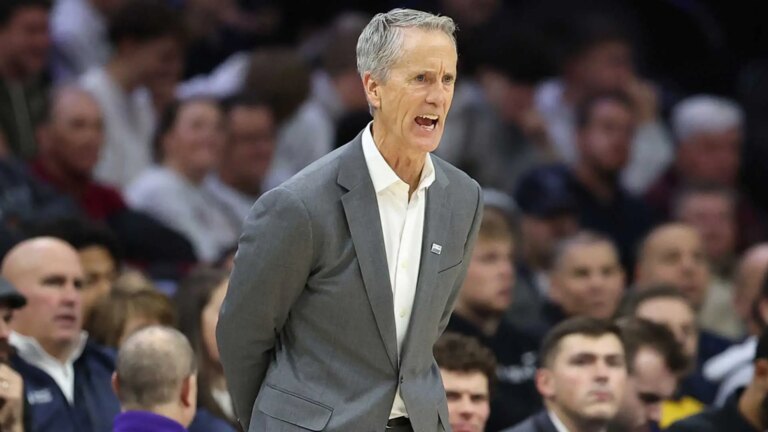
The Raptors emerged as one of the Eastern Conference’s most pleasant surprises. They go to the All-Star break with a 32-23 record and sit tight in 5th place. After a disappointing 30-win campaign the previous year, the “new-look” Raptors thrived under coach Darko Rajakovic’s fluid offensive system. Accordingly, he currently ranks 3rd in the league in assists per game (29.3). The jump in performance is largely attributed to the health and synergy of their core trio. First up is Scotty Barnes, who is playing at an All-NBA level with 19/8/5 stats. Next up is Brandon Ingram, whose scoring weight (21.8 PPG) has revitalized the half-court offense. Last is Immanuel Quickley, who continues to provide elite spacing and play.
Toronto’s offensive identity has evolved into one of constant motion. Barnes initiates, Ingram bends the defense from the middle of the post, and Quickley stretches pick-and-roll coverages outside of their comfort zone. This has made the Raptors far less predictable than in previous seasons. This has also transformed them from a transition-oriented outfit into a balanced scoring machine.
Despite the strong record, the season was not without obstacles. The frontcourt was a revolving door due to Jakob Poltl’s long back injury. This forced Colin Murray-Boyles into significant minutes earlier than expected. Yes, the young big showed tremendous defensive potential. Regardless, the lack of veteran size contributed to midseason inconsistency and several losses from an elite frontcourt.
Poeltl’s recent return has stabilized the rotation, though. Toronto now ranks in the top 10 defensively. As such, the Raptors have positioned themselves as a dangerous “bracket breaker” threat capable of upsetting a higher seed. That competitive foundation framed every decision they made at the deadline.
Here’s what the Raptors did and didn’t do since the trade deadline.
Deal 1: Salary dump and future planning
The first transaction was less about basketball and more about balance sheets.
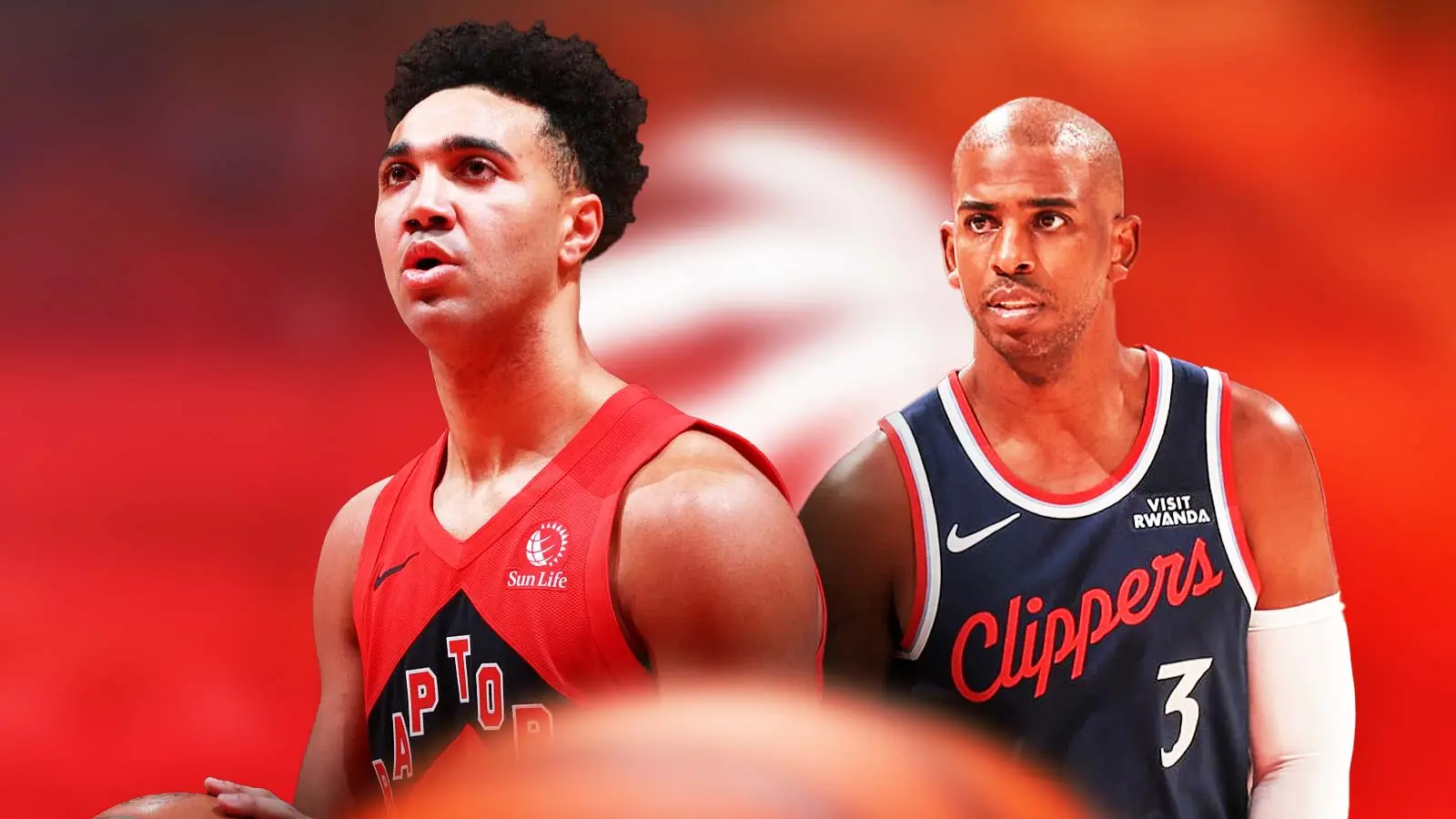
Toronto received: Chris Paul
Brooklyn received: Ochai Agbaji, 2032 second round pick (via TOR), cash
LA Clippers received: Draft of rights to Vanja Marinković
This was purely a financial maneuver. By moving Agbadji’s contract and absorbing Paul, the Raptors fell below the luxury tax threshold. Paul was far from the Clippers and was already giving the signal to retire. Not surprisingly, he never suited up for Toronto. Instead, CP3 was terminated on February 12 and officially announced his retirement the next day.
From a roster point of view, nothing has changed. Financially, however, everything was fine. Tax avoidance preserved future flexibility and access to mid-level exemptions. Toronto also avoided the replay tax implications that could have plagued their roster for years.
Essentially, the Raptors paid a modest second-round pick to reset their financial runway.
Job 2: Insurance policy before the court
The second move was related to a real need on the ground.
Toronto received: Trace Jackson-Davis
Golden State won: 2026 second round pick
Poeltl’s health remained uncertain and Murray-Boyles carried a heavier load than planned. In that context, GM Bobby Webster aimed for a big rotation with a controlled price, rather than chasing big names.
Jackson-Davis brings vertical spacing, rim-running and defensive energy. Those traits should complement Toronto’s ball-moving system. His contract structure, including a modest team option for next season, adds value after this playoff push.
Most importantly, the Raptors avoided overpaying. They followed the big, high-profile companies across the market, but refused to surrender premium draft capital for short-term upgrades. This was not the big star that many fans may have hoped for. Instead, it was an in-depth acquisition.
Flexibility vs. Firepower
Toronto’s two-pronged approach screams financial discipline plus incremental depth. This signals a front office confident in its internal growth curve.
The core of Barnes, Ingram and Quickley (plus RJ Barrett) remains intact. Their developmental arcs were prioritized over disruptive roster changes. By staying under the tax and preserving a first-round pick, the Raptors have kept themselves in position for bigger offseason pursuits if needed.
Jackson-Davis, meanwhile, represents the type of underrated rotation that playoff teams rely on when injuries inevitably surface. From a risk management perspective, Toronto performed cleanly. On the other hand, championship races are rarely won with caution alone.
Standing still while rivals grew
Context shapes perception, and the context of the Eastern Conference was aggressive. Cleveland bolstered its roster with star power. Boston beefed up its frontcourt. The other candidates made moves that clearly indicated the urgency of the title.
Toronto, in contrast, chose conservation over escalation.
The question becomes inevitable: did they miss the window?
With a bevy of tradeable picks in the first round, the Raptors had the ammunition for a major upgrade. That was especially true in the frontcourt. Passing the splash opportunity suggests the front office viewed this season as competitive, but perhaps not yet championship-ready.
It’s a defensible position, but it risks leaving marginal playoff leads in the standings.
Pragmatic, but passive
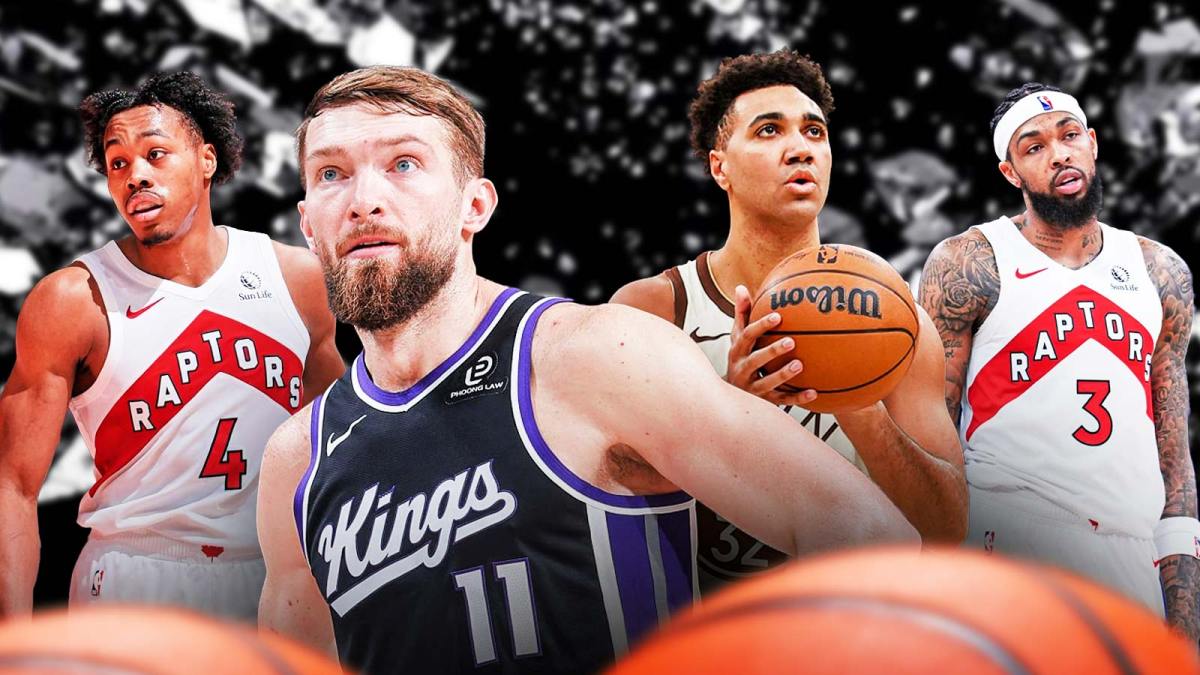
Grade: C+
The deadline for Toronto was not bad. It was just measured and, of course, boring.
The positives look good on the balance sheet. They avoided the taxpayer mark, preserved financial flexibility and added a large functional rotation with minimal costs. The Raptors protected their young core and kept draft capital for future investigation.
They are said to be negative and the opportunity cost will be retained. Toronto’s restraint could potentially go through their ceiling. The Raptors look a little deeper, but not necessarily more dangerous. Their playoff fate still hinges on health, internal development and matchup variation, not a boosted star.
In the end, the Raptors chose sustainability over immediacy. That kind of patience can prove either wise or painfully conservative. The upcoming playoffs will decide.
2026-02-16 02:37:00